Tree Fox · Adelaide arborists
Tree Work Before Selling Your House Adelaide — What Adds Value
By Tree Fox · Published 5 May 2026
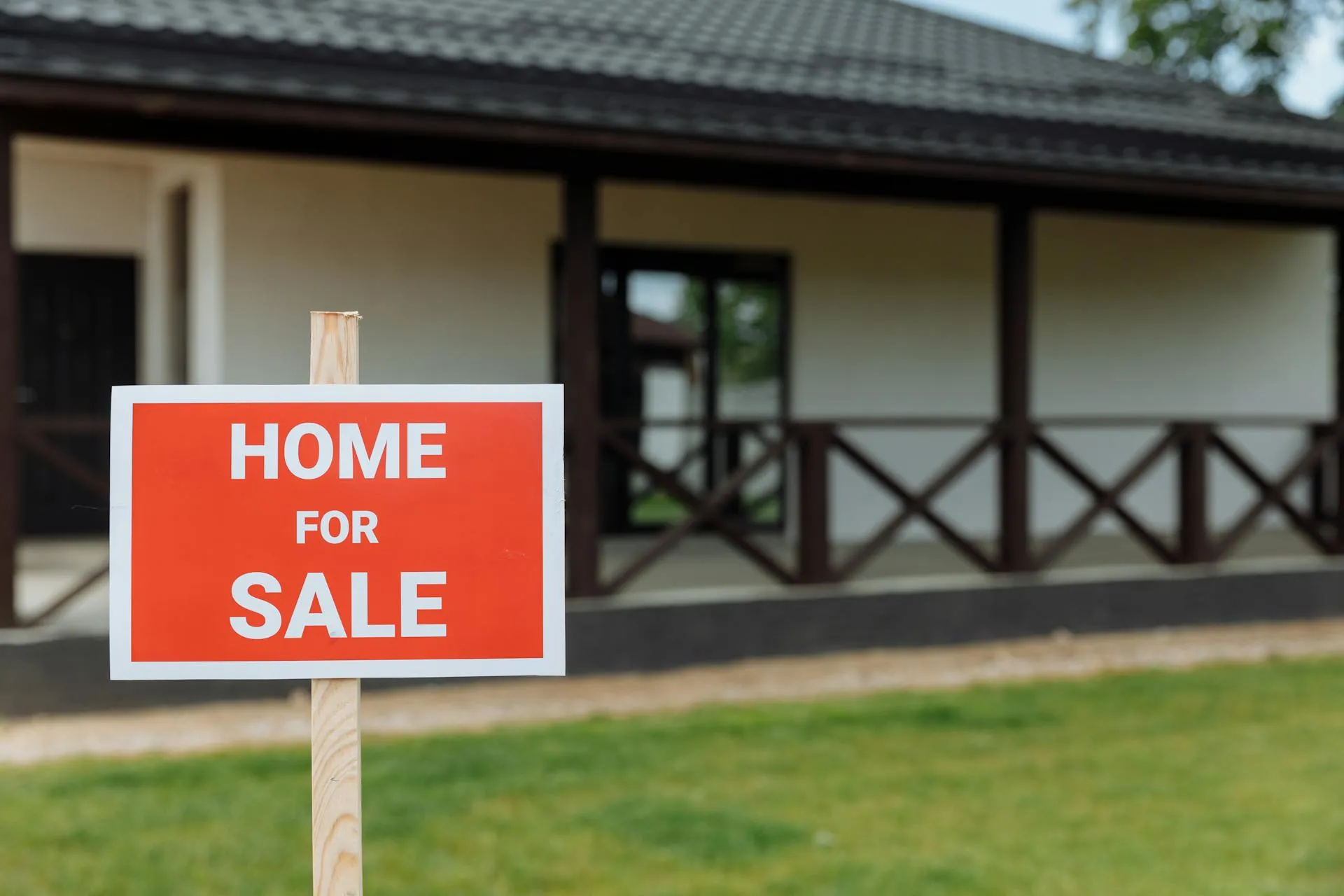
Tree Work Before Selling Your Adelaide Property — Real-Estate Prep, Curb Appeal and Hazard Removal
Last updated: 5 May 2026.
Pre-sale tree work in Adelaide is one of the highest-impact garden investments you can make before listing — and one of the easiest to get wrong. The right work is canopy lifting, deadwood removal, hedge shaping, and the removal of one or two genuine hazard trees before the photographer arrives. Typical spend on a pre-sale tree job runs $800–$3,500 for a residential block, depending on what’s there. Done well, it lifts curb-appeal materially, brightens the photos, and gives the agent a clean story to sell.
The wrong work is the one that catches vendors most often: removing a regulated or significant tree without council approval because it “won’t show well.” Trees with a 1 m+ trunk circumference are protected under PlanSA’s rules across most of metro Adelaide. Removing one without approval can attract substantial penalties under the Planning, Development and Infrastructure Act 2016, and in some scenarios the enforcement risk transfers to the buyer on settlement — which is exactly the kind of disclosure problem that breaks a sale.
This article walks through what to do, what to avoid, and how to time it against your agent’s listing schedule.
For the broader regulated-tree picture, see our tree removal permits in Adelaide guide. For the buyer-side equivalent of this article, see pre-purchase tree inspections in Adelaide.
What pre-sale tree work in Adelaide typically costs
| Pre-sale scope | Typical Adelaide cost |
|---|---|
| Front-yard canopy tidy (1–2 trees, deadwood, light shaping) | $500–$1,200 |
| Full garden tidy (3–5 trees, pruning, hedge shaping) | $1,200–$2,500 |
| Pre-sale hazard removal (one tree) | $600–$2,500 (size-dependent) |
| Multi-tree garden refresh + removal of one hazard tree | $2,500–$5,000 |
| Stump grinding for clean photography | $80–$400 per stump add-on |
| Pre-sale arborist inspection (recommended) | $300–$500 |
These ranges reflect typical Greater Adelaide jobs done in the 4–8 weeks before listing. They are not “from $X” headline numbers. Your real quote depends on the trees, the access, and what the photographer needs from the property.
For the broader cost picture, see tree removal cost in Adelaide and stump grinding cost in Adelaide.
What buyers actually notice — the curb-appeal story
The agent’s photographer is shooting the kerb in the morning light and the back garden in the afternoon. Two things move the needle visually:
1. The canopy frames the house, not buries it
Lifting the lower limbs of established front-yard trees (typically to 2.5–3 m clearance) opens up the view of the house facade from the street. It’s the single most photographically valuable pre-sale move on most Adelaide properties.
The “before” shot is a leafy tree with a low canopy obscuring the verandah. The “after” shot is the same tree with the bottom 2.5 m cleared — the trunk reads as a feature, the house reads behind it, and the photo has depth. Genuine 30-second improvement.
2. Deadwood is gone
Dead branches in a canopy register as “this tree hasn’t been cared for.” Whether or not buyers consciously notice, the impression compounds. A morning’s deadwooding by an arborist removes the visual cue.
This applies particularly to:
- Mature gum trees. Eucalypts shed, and the dead limbs they leave hanging look unkempt.
- Plane trees in eastern-suburbs character streets. Heritage feature trees with a clean canopy photograph beautifully.
- Liquidambar and jacaranda. Iconic shapes when they’re tidy; messy when they’re not.
- Olive and citrus. Established backyard trees benefit from a structural clean-out.
3. The lawn isn’t broken up by stumps
A stump in the front lawn is the kind of thing the photographer can edit out and the buyer notices in person. Grinding pre-sale costs $80–$400 per stump and removes the visual problem entirely. The chip backfill can be turfed over within 4–8 weeks — important to time this earlier, not the week before listing.
For stump-grinding mechanics, see stump grinding cost in Adelaide.
4. Hedges and screens are sharp
Overgrown hedges and screening plants read as work-needed. A hedge shape pre-sale — even a single pass with a hedge trimmer — sends the opposite signal. Cheap, effective, fast.
5. The view through the back of the property is open
Backyards photograph badly when the trees behind the lawn are a wall of unmaintained green. Selective canopy work — opening up a window through a screening tree, lifting one mid-yard specimen — gives the back garden depth. Particularly impactful for pool photography. For larger blocks, an aerial listing photo from Adelaide Drone Services shows the post-tree-work canopy structure of the whole property in a way the kerbside shot can’t.
What NOT to do — the regulated-tree mistake
The mistake that costs vendors the most money: removing a regulated or significant tree because it “doesn’t suit the listing photos” or “the agent thought it was a problem.” Often without applying for council approval. Sometimes without even checking whether the tree was protected.
Here’s why this is the $10,000–$40,000 mistake.
The penalties are substantial
Under the Planning, Development and Infrastructure Act 2016 (the Act PlanSA administers for regulated trees), unauthorised removal of a regulated or significant tree can attract a substantial penalty — frequently in the tens of thousands of dollars per tree, plus orders to plant replacement trees of equivalent canopy value. Multi-tree removals or removal of trees with significant heritage or environmental value can attract higher penalties again.
The “I didn’t know it was protected” defence isn’t a defence. The “the agent told me to” defence isn’t either.
The enforcement risk can transfer to the buyer
In some scenarios, particularly where the unauthorised removal is discovered after settlement, the council’s enforcement options can include orders against the current owner of the property — i.e., the buyer who’s just purchased a block where you removed a tree without approval shortly before listing. The discovery typically happens when the new owner applies for a building approval or a development application and the council compares aerial imagery before and after.
This is the kind of issue that turns up in a dispute six months after settlement, and it’s the kind of thing a sharp buyer’s solicitor will pursue. The vendor’s exposure depends on what was disclosed and when, but the disclosure problem is real and the resolution is expensive.
Your disclosure obligations are real
Vendors in South Australia are required to provide a Form 1 disclosure document via their agent, and (per general Australian property-law principles) significant property defects and risks of future defects that are not immediately apparent must be disclosed. A recently removed regulated tree — particularly one removed without approval — is the kind of thing that surfaces during the buyer’s due diligence and creates a disclosure problem at minimum.
REISA’s published guidance for sellers reinforces the importance of accurate Form 1 information. We’ve linked the seller resources at the foot of this article.
The right path if you want a tree gone before listing
Three legitimate options:
- Confirm the tree is exempt. If the trunk circumference is under 1 m, or the species is on PlanSA’s exempt list, or the tree is dead/dying with arborist documentation, removal is straightforward.
- Apply for council approval. Standard development application route. Lead time of 4–12 weeks, $200–$500 application fee, $400–$800 arborist report. The application process exists exactly for this scenario.
- Don’t remove the tree. Many regulated trees can be carefully pruned to improve their photograph (canopy lifting, deadwooding, light shaping) without contravening PlanSA’s “tree-damaging activity” rules. The arborist will tell you what’s allowed.
The pre-sale arborist inspection ($300–$500) sorts which path applies. Worth booking before you make any removal decision.
When to remove a hazard tree before listing
Different question. There are situations where a hazard tree genuinely should be removed before listing — both for safety and for sale-process reasons. The arborist’s call, not the agent’s.
The dead tree
A dead or near-dead tree is a future buyer’s problem and a current owner’s liability. Removal pre-listing is the right call, and dead trees with arborist documentation are exempt from regulated-tree approval under PlanSA’s rules in most circumstances. Standard removal cost.
The leaning tree
A tree with a recent lean (root plate lifting, fresh soil heave, sudden change in posture) is a structural-failure risk. Same logic: deal with it before the storm, not after. Document the condition with an arborist before removal so the regulated-tree exemption pathway is clear.
The included-bark Y-union over the driveway
Common failure pattern in mature plane trees, jacarandas, and some eucalypts. A union with bark trapped between the two stems can split unpredictably under load. Worth addressing pre-sale — either by structural pruning (cabling, weight reduction on one side) or, if the union is critical, by removal.
The tree the building inspection will flag
If you’ve had a building inspection done as part of vendor disclosure, and the inspector has noted a tree concern, that note will show up in the buyer’s due diligence. Better to address before listing than to negotiate around during the contract.
What to document
For any pre-sale removal of a hazard tree:
- Pre-removal photos showing the condition.
- An arborist’s written assessment identifying the failure mode and recommending removal.
- Council approval or exemption documentation if the tree was regulated or significant.
- Receipts for the work.
The Form 1 disclosure can then accurately note “X was removed pre-listing on the following basis,” which is a clean disclosure rather than a problem one.
Cosmetic vs structural — the conversation to have with your agent
Real-estate agents often have strong opinions on tree work. Some are right; some are based on photogenic outcomes that aren’t physically sound. The conversation to have:
Don’t over-prune. Removing more than 25% of the canopy in a single visit is hard on the tree and looks unnatural. A tree that’s been stripped back will photograph worse than one that’s been gently lifted and deadwood-cleared.
Don’t lop. Topping or hatracking — cutting major limbs back to stubs to reduce height — destabilises the tree’s structure long-term, encourages weak regrowth, and signals to any informed buyer that the tree has been maintained badly. Some buyers will walk on this alone.
Don’t make it look “too” tidy. Adelaide’s character suburbs (Burnside, Unley, NPSP, Walkerville, Glenelg) photograph at their best with the trees looking established, not manicured. A heritage cottage with a well-kept but mature plane tree out front sells for more than the same cottage with a recently-stripped tree out front.
Don’t remove “for the photo.” The photograph is a 30-day asset; the tree (or its absence) is a permanent change to the property. The buyer’s surveyor or pre-purchase tree inspection will see what’s there now and what was recently removed. Aerial imagery is publicly available and councils use it to spot unauthorised removals.
Do invest in deadwooding and lifting. These are subtle, additive moves that improve the photo and don’t compromise the tree.
Do plan ahead. Pre-sale tree work needs to be done 4–8 weeks before listing so the canopy looks natural, the chip mulches in, and any minor regrowth softens the cut points. Last-week-before-listing pruning looks like last-week-before-listing pruning.
For seasonal pruning timing across Adelaide, see the best time to prune trees in SA.
Working with your agent’s timeline — what to book first
A typical pre-sale tree-prep schedule for an Adelaide listing.
8 weeks before listing
- Pre-sale arborist inspection. Walk the block with an arborist, identify what’s worth doing and what isn’t, get written quotes. $300–$500.
- Decide on any hazard removals. Council applications take 4–12 weeks if needed; this is the latest you can start.
6–8 weeks before listing
- Council applications submitted (if any are needed) for regulated-tree work.
- Major pruning and shaping work if it’s not regulated. Timing means the cuts soften visually before photography.
- Hazard tree removals done. Stump grinding the same day.
4 weeks before listing
- Final canopy cleanup. Lift the canopies to 2.5–3 m, clear deadwood, hedge trim.
- Any approved regulated-tree work done if council approvals have come through.
- Stump grinding if not done with earlier removals; turf overlay started.
2 weeks before listing
- Light tidy-up only. Walk the block with the agent. Identify any final visual issues.
- Don’t do major work this close to photography day — fresh cuts read as fresh cuts.
- Once the trees are tidy, the windows are next. Sap, leaf litter, and bird debris from canopy work always end up on the glass — book the window prep for Adelaide real-estate listings after the arborists have left, not before.
Photography day
- Garden in good shape, trees looking established. No fresh sawdust, no tarped piles, no orange paint markings on bark.
Post-listing, pre-settlement
- Hold off on further work unless safety dictates. The buyer’s pre-purchase tree inspection (where they get one) should see what the listing photos showed.
This timeline assumes a standard 4–6 week sales campaign. Pre-auction campaigns can be tighter; spring listings are competitive enough that the prep time is worth treating as a fixed cost.
What does a typical pre-sale tree job include?
A “pre-sale package” varies by operator. A reputable Adelaide pre-sale visit typically includes:
- On-site walk-through with the homeowner (and ideally the agent).
- Tree-by-tree assessment of what’s worth doing, what to leave, what to flag.
- Written fixed-price quote with each line itemised — pruning, deadwooding, removal, stump grinding, debris removal, cleanup.
- Council application support for any regulated work — the arborist writes the report, the homeowner lodges with council (or some operators handle this end-to-end for an admin fee).
- The work itself scheduled to land 4–8 weeks before listing.
- Final cleanup before photography day — sweep, blow, broom-swept clean.
Public liability insurance, AQF Level 3 minimum (Level 5 for the assessment side), and demonstrable Adelaide council experience are the credentials to look for. See arborist vs tree lopper for the credentials picture.
Suburb-specific considerations
Pre-sale tree work has different shapes in different parts of Adelaide.
Eastern suburbs (Burnside, Unley, Norwood Payneham St Peters, Walkerville). Heritage gardens, mature trees, high regulated-tree density. The most likely place to need council applications. Budget for the arborist inspection plus 4–12 weeks lead time. Plane trees and large eucalypts dominate.
Western suburbs (Glenelg, Henley Beach, Grange, West Beach). Coastal palms feature. Pre-sale palm tidying or removal is common. Most palms are exempt from the regulated-tree rules — see palm tree removal cost in Adelaide.
Northern suburbs. Larger blocks, easier access, fewer regulated-tree issues on standard 1970s–1990s housing. Standard pre-sale scope.
Southern suburbs and foothills. Mitcham, Marion, Onkaparinga. Bushfire overlay plus regulated trees. The 20m bushfire exemption changes some calculations. Hills properties have native vegetation overlay considerations on top.
Adelaide Hills. The most complex pre-sale picture. Native Vegetation Act, regulated trees, bushfire overlay all overlap. Allow longer lead times and budget for an arborist who knows the Hills regime.
Frequently asked questions
Should I remove trees before selling my house in Adelaide? Some, sometimes. Hazard trees (dead, leaning, structurally compromised) are worth removing pre-sale. Healthy mature trees almost never are — they add curb appeal when properly maintained. The regulated-tree rules limit what you can legally remove anyway. The right pre-sale spend is usually pruning and shaping, not removal.
Will tree work increase my property value? A tidy, well-maintained garden lifts presentation and helps the photography. Whether it lifts the sale price beyond the cost of the work is harder to quantify, but the impact on time-on-market and buyer interest is consistent — well-presented properties sell faster. The investment in pre-sale tree work generally pays back through sale velocity, not headline price.
Do I need to disclose tree problems to buyers? Yes — South Australian vendors must provide an accurate Form 1 disclosure document, and significant property issues (including risks of future defects) must be disclosed. This includes known hazardous trees, recently removed regulated trees, root-damage issues affecting structures, and any council notices relating to trees on the property. Talk to your conveyancer about specifics.
Can I remove a regulated tree before selling? Only with council approval, with a few narrow exemptions (within 3 m of the dwelling for non-listed species, listed exempt species, dead/dying with arborist documentation). Removing a regulated tree without approval can attract substantial penalties under the Planning, Development and Infrastructure Act 2016 and creates a disclosure problem for the sale. The legitimate path is the development application — see our tree removal permits in Adelaide guide.
How long does pre-sale tree work take? The work itself is usually 1–3 days on site for a standard residential job. The right timing is 4–8 weeks before listing — earlier than most vendors realise. Council-approval work needs 4–12 weeks lead time on top. Last-minute pruning the week before photography reads as last-minute pruning in the photos.
Do I need an arborist or can I use a gardener for pre-sale work? A gardener can handle hedge trimming, light shaping of small ornamentals, and lawn work. For anything involving climbing, structural pruning of mature trees, or any tree that might be regulated, you need a qualified arborist. AQF Level 3 minimum for the work; Level 5 for the assessment and any council reporting. See arborist vs tree lopper.
What’s the cheapest pre-sale tree job that actually moves the needle? A canopy-lift and deadwood clean of the front-yard trees, plus a hedge tidy. Typical spend $500–$1,000 for a standard residential block. It’s the highest-impact-per-dollar tree work you can do and it’s usually done in a single morning.
Should the agent or the vendor commission the tree work? The vendor commissions the work. Some agents recommend specific operators; that’s normal, but the vendor’s name is on the invoice and on the Form 1 disclosure, so the decision sits with the vendor. The arborist’s report and any council application stay with the vendor’s records.
Sources
- PlanSA — Significant and regulated trees
- SA.GOV.AU — Regulated and significant trees
- REISA — Sellers resources
- REISA — Sales agency agreement
Pricing in this article reflects typical full-job quotes in Greater Adelaide as of May 2026 and is based on the operator’s quoting data. Your real quote depends on a site visit. Disclosure obligations are general principles only — consult your conveyancer for advice on your specific situation.