Tree Fox · Adelaide arborists
Tree Removal Permit Mitcham — Belair & Blackwood Guide
By Tree Fox · Published 5 May 2026
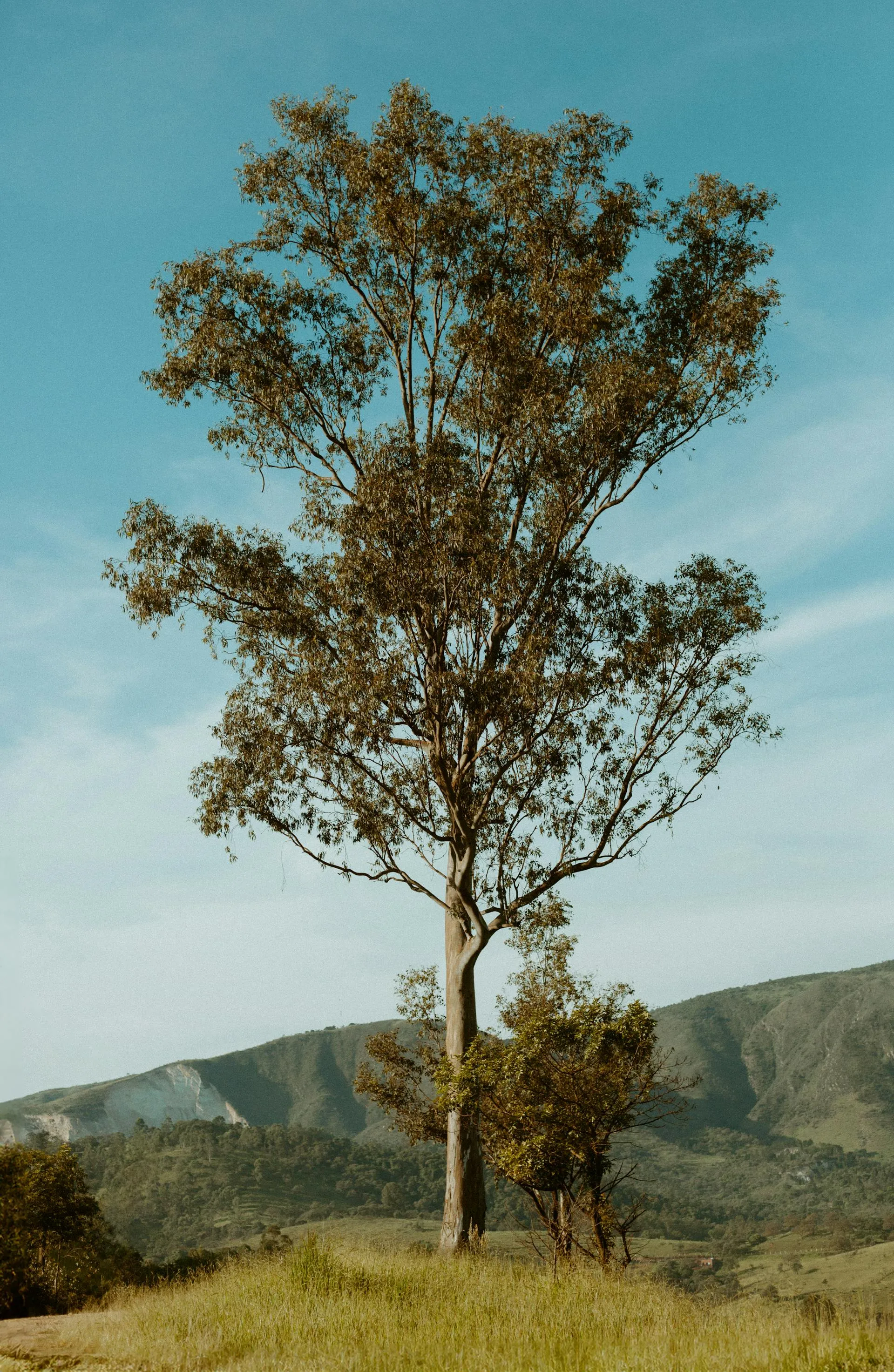
Tree Removal Permits in Mitcham — A Plain-English Guide for Belair, Blackwood and the Foothills
Last updated: 5 May 2026.
If you need a tree removal permit in Mitcham, two things drive the answer: the state-wide rules under the Planning, Development and Infrastructure Act 2016 (PDIA), and whether the property sits inside the Bushfire Protection Overlay that covers most of the Belair, Blackwood and Eden Hills foothills. The City of Mitcham assesses applications under the standard PDIA process, but its planners can ask for support from “an arborist, botanist, horticulturist, civil engineer or structural engineer” depending on the case — so the documentation expectation can be higher than a non-foothills application. The maximum penalty for unauthorised tree-damaging activity under PDIA is $120,000.
Mitcham is the largest priority LGA by population, the foothills suburbs throw the gum-tree-near-house risk profile that drives most of the southern-metro removal demand, and the Bushfire Overlay reshapes which trees need approval and which are exempt. This guide walks through the lot.
What you need to know in 60 seconds
- Regulated tree (state): trunk circumference 1 m+ at 1 m above ground.
- Significant tree (state): 2 m+ circumference, or Part 10-listed.
- Dwelling exemption: within 3 m of an existing dwelling or in-ground pool — but eucalypt, corymbia, angophora and willow myrtle are excluded.
- Bushfire Overlay (Mitcham foothills): in Medium or High Bushfire Risk Overlay, regulated trees within 20 m of a dwelling can generally be removed without PDIA approval for genuine bushfire-protection purposes. Significant trees still need approval.
- Mitcham documentation standard: arborist report or, where the case is structural, structural engineer’s letter — council can ask for either, both, or a horticulturist’s input depending on the application.
The state-wide framework is in our Adelaide tree removal permits guide. This page covers what changes under the City of Mitcham.
How the Bushfire Protection Overlay reshapes the rules in Mitcham foothills
Most of the Mitcham foothills sit inside the Bushfire Protection Overlay under the South Australian Planning and Design Code. The Overlay is mapped at the property level on the South Australian Property and Planning Atlas (SAPPA).
Which Mitcham suburbs are in the Overlay
The Overlay covers parts (and in some cases most) of:
- Belair — the upslope properties bordering Belair National Park.
- Blackwood — across the suburb, particularly the upslope and gully properties.
- Eden Hills — most of the suburb.
- Brown Hill Creek — the gully and upslope.
- Glenalta, Hawthorndene, Coromandel Valley, Bellevue Heights — variable, depending on the property.
- Upper Sturt, Crafers West (Mitcham council side) — most properties.
- Mitcham village and the lower-slope suburbs (Lower Mitcham, Kingswood, Lynton, Cumberland Park) are generally not in the Overlay.
If you don’t know whether your property is in the Overlay, look it up on SAPPA. The Overlay status drives whether the 20 m bushfire exemption is available.
What the 20m exemption covers in Mitcham
A regulated tree (1 m–2 m circumference) within 20 m of an existing dwelling, on the same allotment, in a Medium or High Bushfire Risk Overlay, can generally be removed without PDIA approval where the work is for genuine bushfire-protection purposes.
What the 20m exemption does not cover
- Significant trees. A 2 m+ circumference tree, or one individually listed in Part 10, still needs approval.
- Native vegetation. Where a Mitcham property hosts native vegetation that engages the Native Vegetation Act 1991, that’s a separate regime — though the Mitcham foothills are mostly inside the metropolitan zone where the NVA’s reach is narrower than in the Adelaide Hills.
- Landscape clearing dressed up as bushfire work. The exemption is for genuine fuel-load reduction.
For ongoing bushfire-zone tree work on a Mitcham foothills block, see our bushfire tree management guide.
Mitcham’s documentation requirements
This is where Mitcham is more procedural than its neighbours. The City of Mitcham’s published position is that, when assessing applications for tree removal or alteration, it may ask specialists — arborist, botanist, horticulturist, civil engineer or structural engineer — to support the assessment. Practical implications:
When an arborist report is the primary document
Most applications. Tree health, structural condition, demonstrated risk to property or people, alternatives to removal, photographic evidence. AQF Level 5 consulting arborist is the standard. See our arborist reports service page for scope and the arborist report cost guide for pricing.
When a structural engineer’s letter supports the application
Where the issue is structural damage to a building (root-induced foundation movement, paving heave creating trip hazards, retaining-wall damage), a structural engineer’s letter explaining the building-side problem can sit alongside (or in some cases substitute for) part of the arborist report. Council still typically wants the arborist’s assessment of the tree itself.
Mitcham’s Tree Assistance Fund
Mitcham operates a Tree Assistance Fund for property owners with large trees, where the council can reimburse the cost of an arborist report after the work is completed and the report submitted. The scope and eligibility are published on the council’s website — worth checking before commissioning a report on a substantial tree.
Application fees and timeline
The lodgement is via PlanSA. Council application fees for residential tree-damaging activity sit in the $200–$500 range depending on the application type. Most residential applications resolve in 4–8 weeks. Bushfire Overlay properties claiming the 20 m exemption don’t lodge a PDIA application — but documentation should still be created and retained.
The species the foothills throws at you
The Mitcham foothills’ tree population is heavy native eucalypt, with mid-century European deciduous in the older garden suburbs.
- River red gum (Eucalyptus camaldulensis) — the textbook foothills tree. Reaches regulated and significant size readily. Routinely the species behind “I’m worried about that gum next to the house” calls.
- SA blue gum (Eucalyptus leucoxylon) — common across the foothills; reaches regulated size; eucalypt species exclusion means the 3 m exemption doesn’t apply.
- Stringybark (Eucalyptus obliqua) — upslope, particularly toward the National Park edge.
- Manna gum (Eucalyptus viminalis) — in the wetter gullies (Brown Hill Creek, upper Blackwood).
- Raywood / claret ash (Fraxinus angustifolia ‘Raywood’) — common ornamental in the older garden gardens.
- Liquidambar — in the larger established blocks.
The structural pattern that drives most foothills removal demand: mature eucalypts on saturated clay slopes. After a wet winter, root plates can shift; on a slope with reactive clay subgrade, that translates to lean and to root-flare lift. An arborist report that identifies that pattern — with evidence of recent movement — is the strongest support for a regulated-tree removal application.
For the broader question of when a tree is genuinely dangerous versus just untidy, see our how to tell if a tree is dangerous guide.
Belair National Park edge and Brown Hill Creek considerations
Two pockets of the Mitcham council area need extra care:
Belair National Park edge
Properties along the National Park boundary sit immediately adjacent to a protected reserve. The trees on the park side are managed by DEW (Department for Environment and Water), not by Mitcham council. Trees on your side of the boundary are private, regulated under PDIA. Tree-work coordination on canopy that crosses the boundary needs the right people involved. The 20 m bushfire exemption applies on your side; it doesn’t authorise any work on the park side.
Brown Hill Creek
Brown Hill Creek runs through Mitcham — including Brown Hill Creek Recreation Park — and the creek-line vegetation is mixed native and exotic. Properties along the creek may engage council overlays around watercourse protection in addition to the regulated tree rules. Where the creek-line vegetation is native and the property is large enough that the Native Vegetation Act 1991 may bite, that’s a third regime layered on top.
Most Mitcham properties don’t engage the Native Vegetation Act — that’s an Adelaide Hills problem more than a Mitcham one. But on the upper slopes adjacent to Belair National Park or on rural-living blocks, it can apply. Check before clearing.
How Mitcham compares to the Hills
Adelaide Hills Council and the City of Mitcham both manage foothills properties, both engage the Bushfire Overlay, both deal with mature native eucalypts. The differences:
- Mitcham is metropolitan — most of the council area sits inside metro Adelaide for regulated-tree purposes, and the Native Vegetation Act 1991 generally does not apply to standard residential blocks.
- Adelaide Hills Council is non-metro — the Native Vegetation Act 1991 applies to most of the LGA. That’s a different regime and a different consenting body.
- Mitcham documentation standard is more procedural — arborist or structural engineer support is the published expectation.
- Adelaide Hills documentation standard is similar at the township level but quite different on rural-living blocks where NVC consent is the primary track.
If your property is on the boundary between Mitcham and Adelaide Hills (Crafers West, Upper Sturt, the Blackwood–Belair corridor), confirm which council you’re in before lodging anything — it changes the regime significantly. The full Adelaide Hills tree removal guide covers the Hills-side process.
Frequently asked questions
Do I need a permit to remove a gum tree in Belair? If the gum’s trunk is 1 m or more in circumference at 1 m above ground, it’s a regulated tree under PDIA and would need development approval — unless the property is in a Medium or High Bushfire Risk Overlay (most of Belair is) and the tree is within 20 m of an existing dwelling, in which case the bushfire exemption typically applies for genuine fuel-load reduction. The eucalypt species exclusion to the 3 m dwelling exemption means you can’t rely on “it’s next to the house” alone — you need the 20 m bushfire exemption to apply. If the tree is significant (2 m+ circumference), application is required regardless of the bushfire exemption.
Does the Bushfire Overlay apply to my street? Check the South Australian Property and Planning Atlas (SAPPA) at the address level. Most of Belair, Blackwood, Eden Hills, Brown Hill Creek and the upslope suburbs are in the Overlay. Most of Lower Mitcham, Kingswood, Lynton and the lower-slope suburbs are not. SAPPA is the definitive source.
Can I remove a tree within 20 m of my Blackwood house? If the property is in a Medium or High Bushfire Risk Overlay (most of Blackwood is), and the tree is a regulated tree (1 m–2 m circumference), and the work is for genuine bushfire protection, the 20 m exemption typically applies and PDIA approval is not needed. Significant trees still need approval. Document the work — pre-work photos, the arborist or contractor’s bushfire-protection rationale — even where you’re claiming the exemption, in case council asks later.
What does Mitcham want in an arborist report? The standard is an AQF Level 5 consulting arborist’s assessment covering tree health, structural condition, demonstrated risk to property or people (with photos), and alternatives to removal (reduction pruning, cabling, monitoring). For structural-damage cases, council may also accept or request a structural engineer’s letter alongside the arborist report.
Are dead trees exempt in Mitcham? Yes — under the state-wide PDIA exemption, a dead, dying or imminently dangerous regulated tree can be removed without approval. The key is documentation: an arborist report with photos and reasoning, completed before the work, not after. “It looked dead” without supporting evidence has been the source of more than one prosecution statewide.
Sources
- City of Mitcham — Trees on private property
- City of Mitcham — Tree Assistance Fund
- PlanSA — Significant and regulated trees
- PlanSA — FAQ: Protecting Regulated and Significant Trees (PDF)
- SA Legislation — PDIA (Regulated and Significant Trees) Amendment Regulations 2024
- CFS — Bushfire Survival Plan
This guide reflects the law and the City of Mitcham’s published positions as we understand them on 5 May 2026. It is not legal advice. For a specific tree, get an arborist’s assessment and confirm the Bushfire Overlay status on SAPPA before any work.